all names (10)
Names, authorship and dates from Index Fungorum.
- BasidiomycotaPhylum
- └─ AgaricomycetesClass
- └─ AgaricalesOrder
- └─ CortinariaceaeFamily
- └─ CortinariusGenus
Higher ranks from Catalogue of Life (COL26.9 XR).
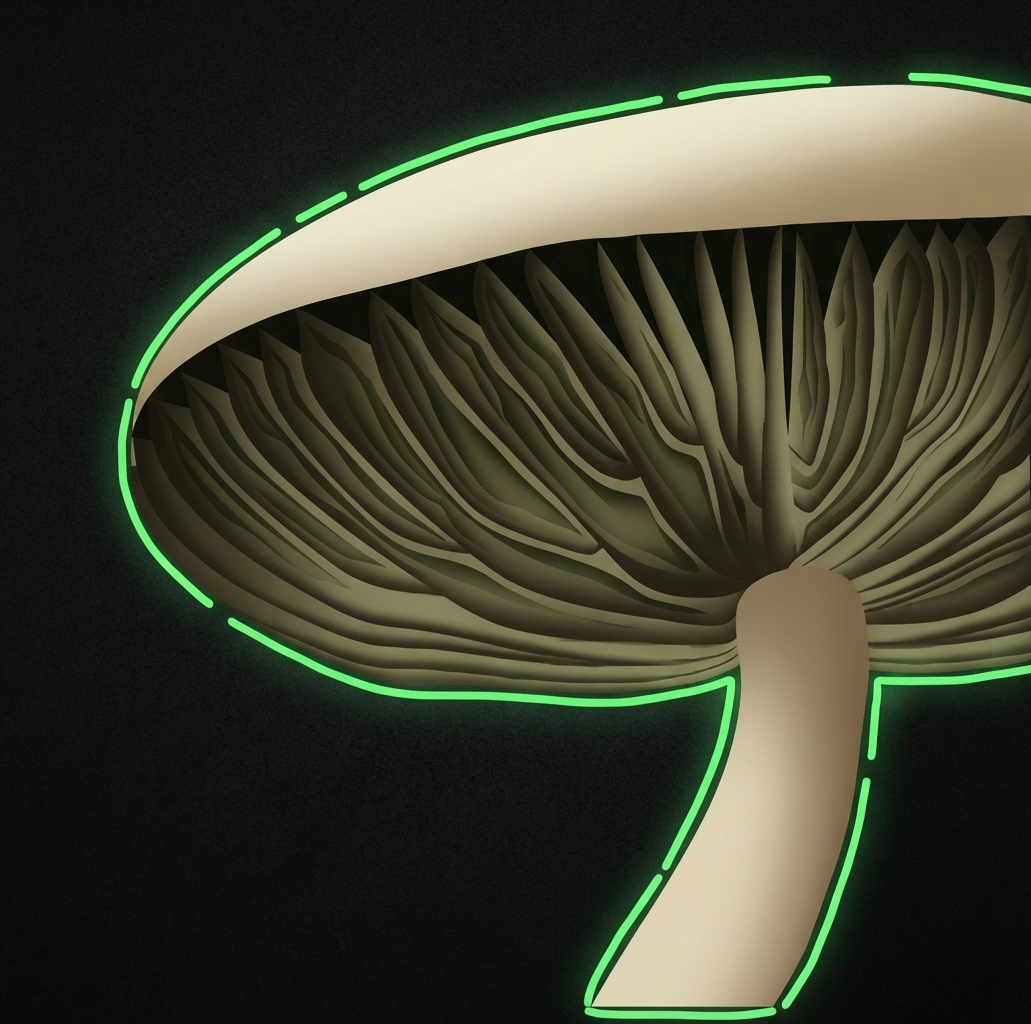
%20--%3e%3cpath%20class='cap-stem'%20d='%20M%20290%20290%20L%20245%20290%20C%20245%20180,%20245%20150,%20240%20140%20C%20210%20140,%2060%20150,%2025%20150%20C%2010%20150,%2020%20110,%2080%2070%20C%20140%2030,%20230%2020,%20290%2030%20Z%20'%20/%3e%3c!--%20Adnate%20Gill%20(Attached%20directly%20to%20the%20stem)%20--%3e%3cpath%20class='gill'%20d='%20M%2032%20153%20C%2070%20175,%20170%20195,%20241%20180%20L%20241%20142%20C%20200%20142,%20100%20148,%2032%20153%20Z%20'%20/%3e%3c/svg%3e)
;stroke:%23000;stroke-width:2'%20/%3e%3cpath%20d='M%20163.4,15.29%20166.7,63%20c%2023.8,9.5%2053,21.94%2069.4,34.44%2032.8,-2.63%2054.3,-9.3%2067.3,-18.25%20l%209.5,-6.5%20C%20258.9,57.81%20200.5,25.76%20163.4,15.29%20z'%20style='fill-opacity:0.166'%20/%3e%3cpath%20d='m%20177.4,308%20c%205.5,-61%206.127,-222.8%202.9,-275.3%20-1.673,-27.22%20-70.64,-22.82%20-70.3,6.34%201.1,98.26%2011.6,143.6%20-11.5,269'%20style='fill:url(%23linearGradient2);stroke:%23000;stroke-width:2'%20/%3e%3crect%20width='297'%20height='297'%20x='1.5'%20y='1.5'%20id='rect4146'%20style='fill:none;stroke:%23000;stroke-width:3'%20/%3e%3c/svg%3e)
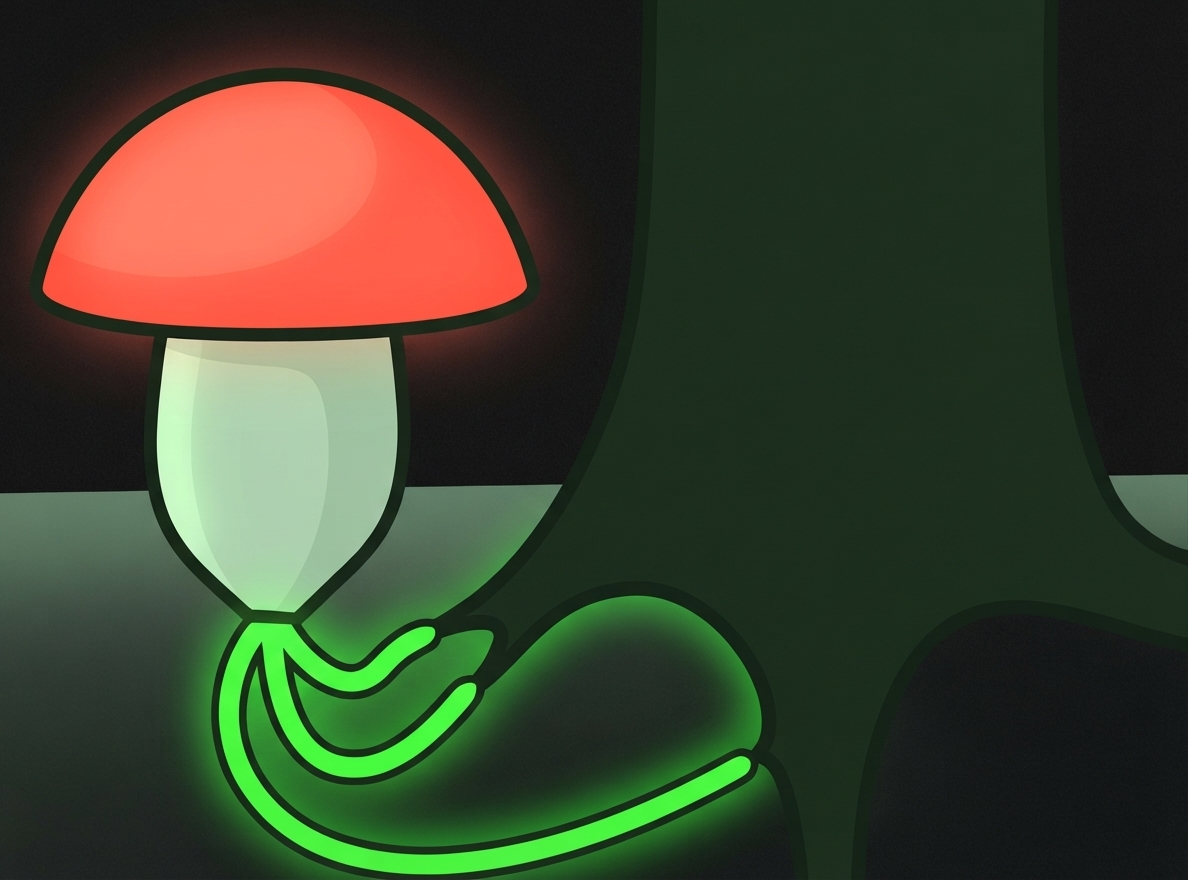
Mycorrhizal with birch, oak, beech and spruce in old deciduous and coniferous forest, usually on acidic soil, late summer to autumn
⚠ Before you pickWild fungi may be taken in small quantities for your own use (§39(3) BNatSchG) — but not in nature reserves or national parks, on closed land or on farmland in use, and never for sale (§39(4)). In Bavaria this right is anchored in Art. 141(3) of the state constitution and is limited to locally customary amounts; the competent authority is the district nature-conservation authority (untere Naturschutzbehörde). Local signs and ordinances come first.
Species protection from BArtSchV Annex 1 and §2(1), retrieved 2026-10-15; Red List from Dämmrich et al. (2016) (BfN / Rote-Liste-Zentrum). Not legal advice — local rules and signage may be stricter. BArtSchV Annex 1 · Red List data
Edible at best mediocre — some guides call it inedible and report a bitter aftertaste when cooked
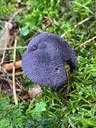
- ▸ Deep violet to blue-black cap up to 15 cm across, dry and covered in fine downy scales — neither sticky nor slimy
- ▸ Violet flesh throughout, darker just below the cap skin and in the stem
- ▸ Dark violet gills, broadly attached, turning purplish-brown with age
- ▸ Stem the same violet colour, woolly-fibrillose, often with a swollen base and a web-like veil that soon vanishes
- ▸ Mild taste and a faint smell reminiscent of cedar wood
The type species of the webcaps, and one of the few violet mushrooms that is neither sticky nor slimy. Widespread but nowhere common in Europe and listed as endangered in the British Isles; it is prized for its beauty rather than its flavour, and the number of similarly coloured webcaps makes it a risky species to collect for the table.
This page draws its species data from Wikidata.